
MHUR Dodge Roll Guide: Timing and Direction Practice
Practice dodge rolls in My Hero Ultra Rumble with illustrated attack cues, direction comparisons and a repeatable drill you can recheck after patches.
FAQ
Which button performs a dodge roll in MHUR?
Should I always roll forward?
Does this guide give an invincibility-frame count?
Why do I still get hit after a roll?
How should you practice a dodge roll?
Choose one attack, one starting distance and one intended roll direction. First watch the attack, then try the roll. Record the outcome before changing anything. This makes a practice session more useful than repeatedly pressing evade while several opponents attack.
Check your current control bindings and available training setup first. If another player can repeat the attack for you, agree on a visible starting landmark and avoid changing skill levels between attempts. These are our practice recommendations, not measured match results.
The beginner guide explains the team context around an escape. If you are learning Technical Rising, keep the roll drill separate from the movement-skill tests in the Rising practice plan.
What does the source video demonstrate?
The screenshots come from Lazy lich’s “How To Dodge attacks On MY HERO ULTRA RUMBLE”, published August 8, 2024. The creator demonstrates encounters with Mirio, All For One, Overhaul and Denki. The video is linked below, and each illustrated step links to its own point in the recording.
This is historical footage. Use it to learn what to look for and how to build a comparison; check current skill behavior in-game. We have not measured invincibility frames, reproduced these attempts on the current patch or established guaranteed counters. The character shown as the player is Deku, which also does not make the examples a test of Technical Rising.
Which four examples can you inspect?
-
Read the ground approach before Mirio emerges
Watch the source’s ground-attack example without trying to counterattack. The creator points out a red ground cue before Mirio emerges. For your drill, identify that cue first, then attempt one roll and record the result. Return to the same starting spot before repeating; reacting to a different distance makes attempts hard to compare.
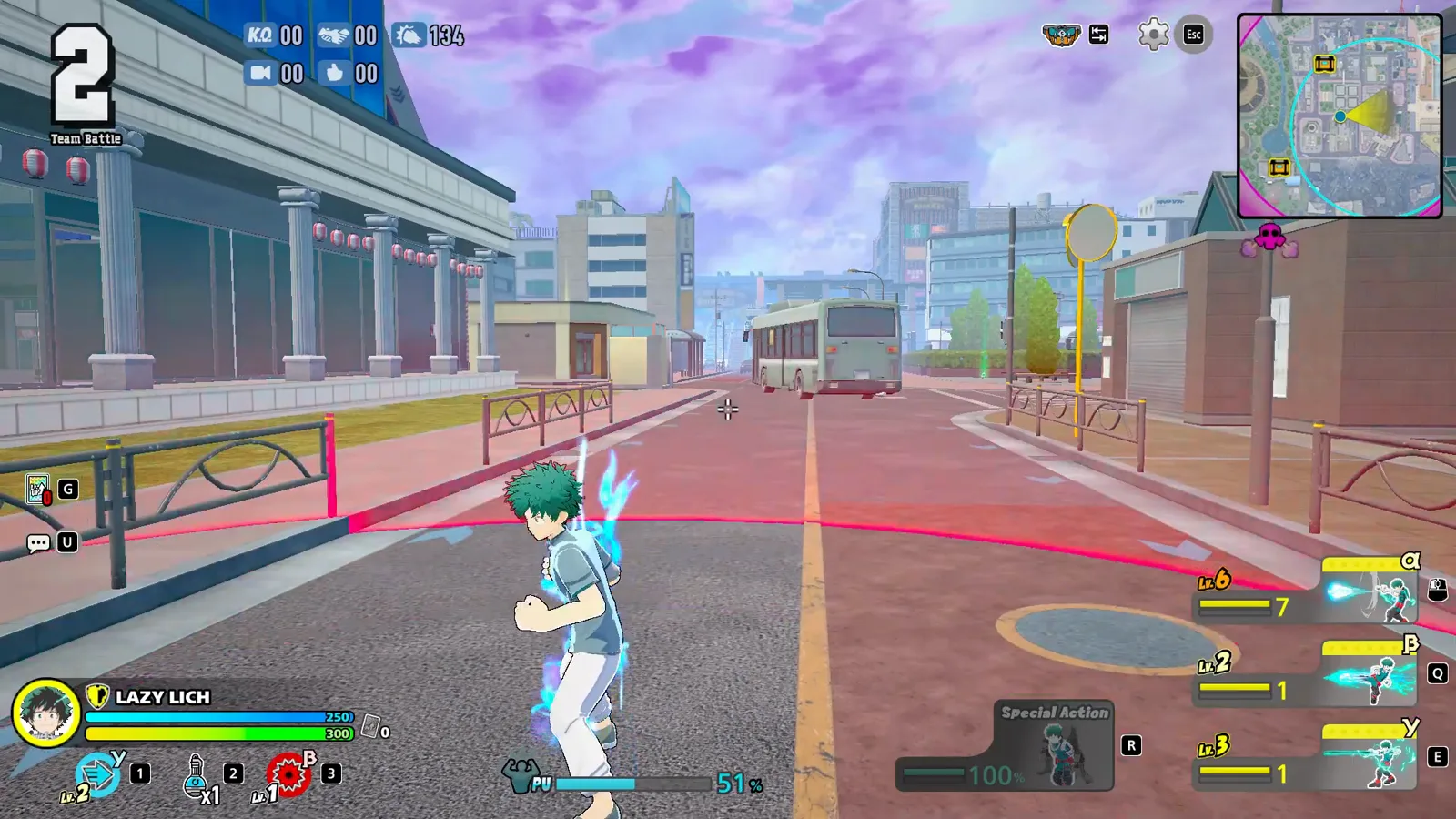
The street sequence gives you a visual cue to inspect before adding a counterattack. Watch this step at 0: 23 -
Keep a circular attack separate from the ground drill
The next sequence shows All For One and a broad circular effect. Treat it as a different problem: keep the attacker visible, repeat from one distance and compare an earlier roll with a later one. The creator advises rolling rather than trying to fly away during this example. Recheck the interaction in the current game before relying on that older advice.
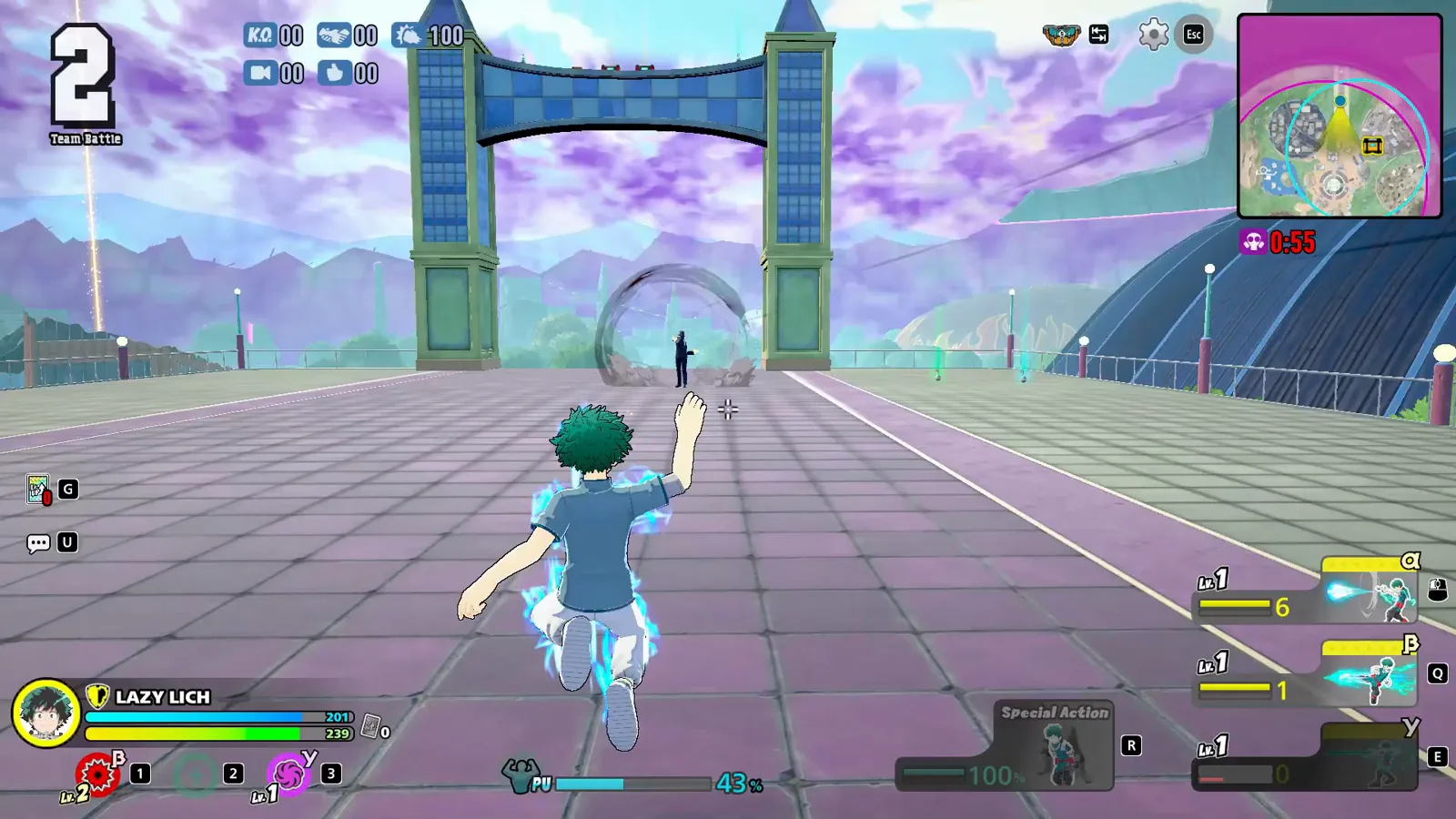
Use the circular effect as a separate timing reference, not as proof that all area attacks behave alike. Watch this step at 1: 05 -
Compare a forward roll in the Overhaul example
The creator recommends rolling forward against Overhaul’s gamma in this recording. Reproduce the same starting relationship, attempt that direction and note the landing position. If you compare it with a sideways roll, keep timing and distance as similar as possible. A successful example does not establish a guaranteed escape against every version or follow-up.
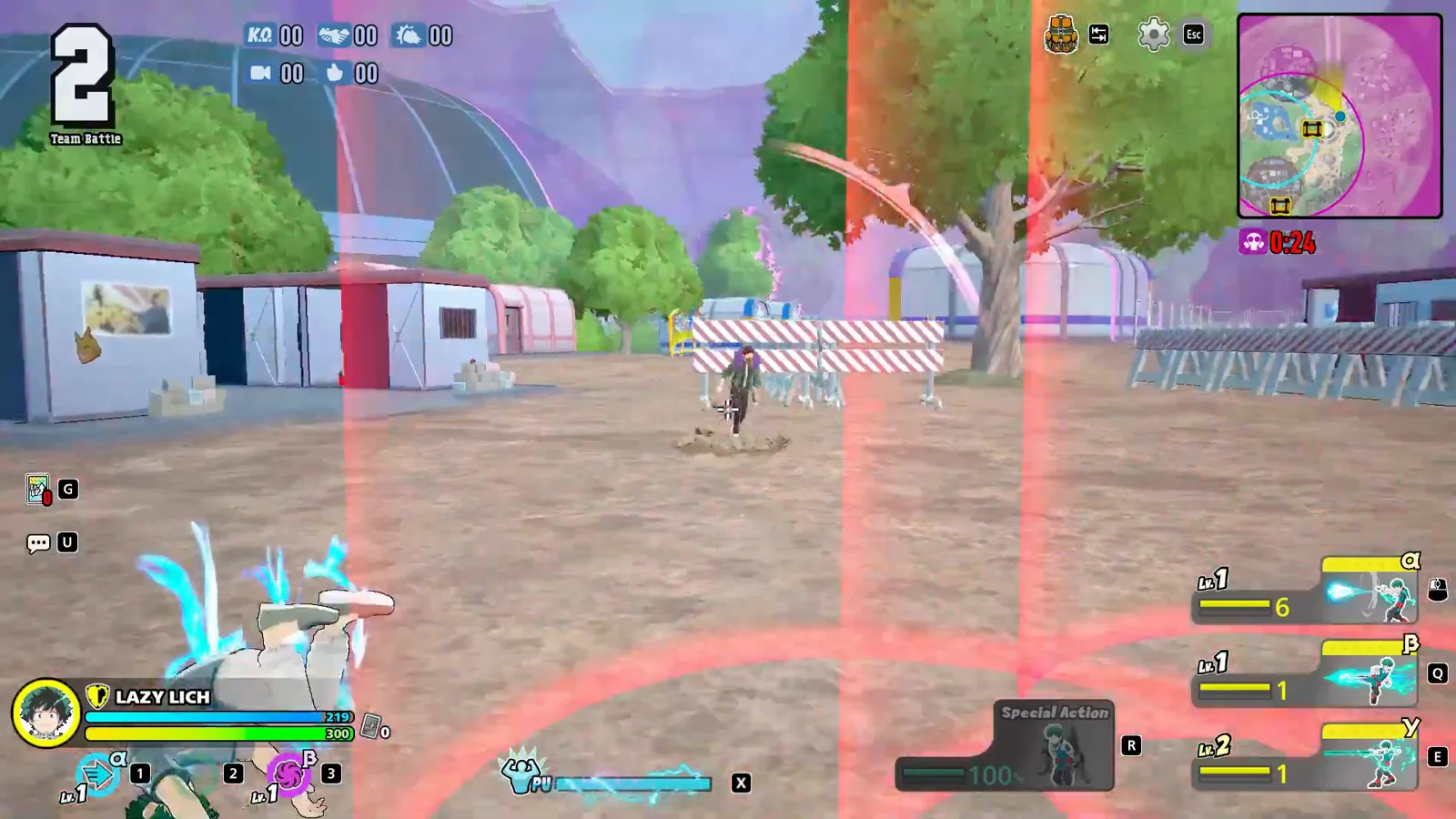
Compare the start and finish of the roll, as well as whether the attack connected. Watch this step at 1: 51 -
Preserve space when the approaching attack is difficult to read
The Denki sequence closes with the creator warning that this approach is difficult to avoid and recommending distance. Start your own comparison farther away so you can observe the approach before attempting a closer roll. If a test fails, reset; do not turn a failed dodge into an automatic chase. Finish by locating cover or an ally you can reach.
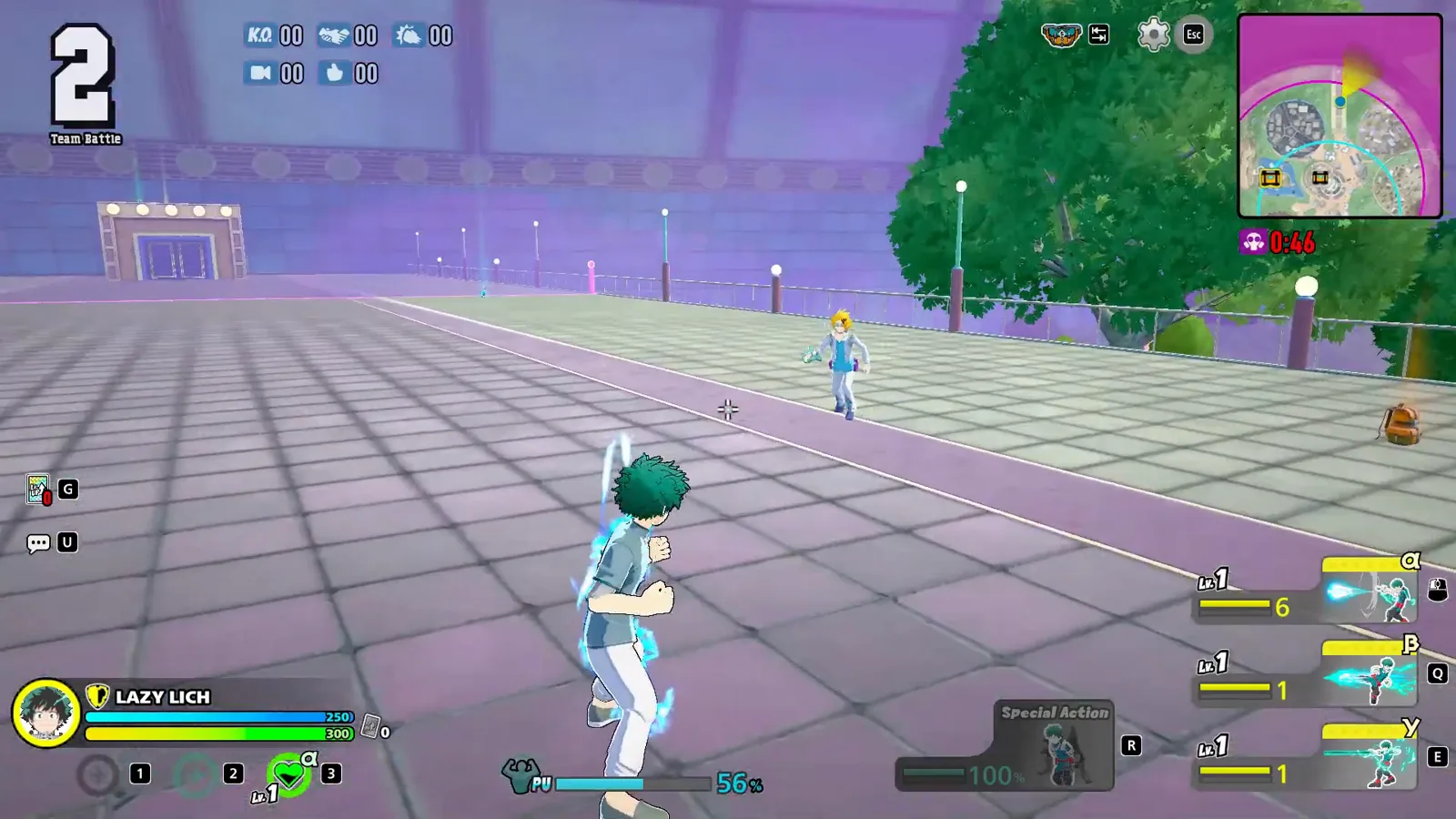
Distance gives you a clearer view of the approach; it does not guarantee safety. Watch this step at 2: 23
What should you record after each attempt?
Use a short record that makes the next attempt explainable. Leave unknown values blank rather than filling them from memory.
| Record | Why it helps |
|---|---|
| Character, skill and current patch | Keeps a changed attack out of the same comparison |
| Starting landmark and distance | Separates spacing from input timing |
| Roll direction and visible cue | Shows what you tried to react to |
| Hit or avoided; any second hit | Separates the first attack from a follow-up |
| Finish position and reachable cover | Checks whether the escape left you somewhere useful |
If a roll fails, change only the timing first. If it keeps ending in the attack’s path, compare another direction as a new set of attempts. Stop the comparison when another variable changes, such as the opponent using a different skill. This procedure is a recommendation for checking your own play, not a promise of a particular result.
How do you bring the drill into a team match?
Bring one observation into a match: spotting a ground cue, keeping an approaching enemy visible or checking your landing position. Keep the goal small enough to recognize afterward. A roll that avoids one hit can still end far from your teammates or in another opponent’s line of fire.
Avoid stopping for inventory tasks while an opponent is approaching. Learn the skill-card and level-up workflow separately so those decisions become easier to make between fights. If a teammate is defeated, use the revival resource checklist before attempting a recovery; this dodge drill does not establish a safe revival window.
Reviewed October 15, 2026. Screenshot attribution: Lazy lich, linked video; in-game artwork belongs to its respective rights holders.
Related Articles
Guides
How to Revive Teammates in MHUR: Cards, Badges and Safety
Learn how to revive teammates in My Hero Ultra Rumble: recover badges, collect revival cards, find civilian supplies and avoid outdated skill-reset advice.
Guides
MHUR Skill Cards: Level Up Skills and Share Team Loot
Learn how MHUR skill cards and Level Up Cards work, read role colors and alpha, beta or gamma labels, and share useful upgrades with teammates.
Guides
MHUR Beginner Guide: Team Play, Skill Cards and Revival
Learn My Hero Ultra Rumble match basics: three-player teams, skill-card upgrades, civilian interactions, revival resources and safe first drills.
Was this helpful?
Thanks for the feedback!